Sedbergh was chosen to feature in a TV series
The process started when Sedbergh decided to look at the possibility of finding a twin town. In the early stages of this process we received an out-of-the-blue invitation from a television production company, saying that they were planning a series of programmes about town twinning and would we be interested in taking part.
Four towns were invited to meet us
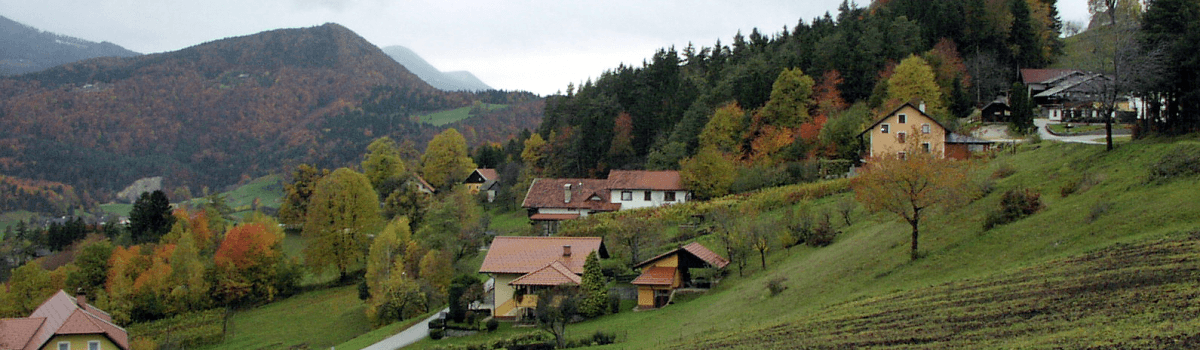
After a series of visits from the TV company it was agreed that the series would feature Sedbergh. The production company invited four European towns from Austria, Cyprus, France and Slovenia to participate in a selection process to become a twin for Sedbergh. The dates for teams from each town to come and visit us for a week were arranged but we were not told the names of the towns until shortly before each event when we were shown a video presentation made by the visiting town. Throughout the week of a town’s stay, various activities were arranged involving joint participation by the visitors and local people.
Town Champions
After each of the four towns had visited Sedbergh, the production company asked that groups of people in Sedbergh form themselves together, to champion the town that they most favoured Sedbergh to twin with. These groups would then canvass for votes for their preferred town, with events, banners and posters and any other means of cajolement they could think of. It must have seemed quite odd to people driving through Sedbergh at the time, to be greeted by placards by the side of the road, painted with slogans like, ‘Vote for Cyprus’. People must have wondered who Mr. Cyprus was and what he stood for.
The Vote
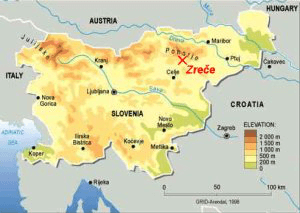 The turnout was higher than for most local and national elections of politicians and councillors. Young people were allowed to vote too. After the votes had been counted the mayor or representative from each town was invited back to Sedbergh, to be present as the results were announced. The town’s choice was Zreče with more votes than all the other towns put together.
The Televison Programme
The twelve-part series on Sedbergh’s months with the television cameras in town was broadcast on BBC2 in January and February 2005.
Ongoing links with Zreče
The twinning process has resulted in the establishment of numerous links between the two towns.
Each year sees exchange visits between pupils from Zreče and settlebeck school in Sedbergh.
Music features strongly in the theme of many exchange visits between talented musicians and singers from both towns.